C-Therm Technologies
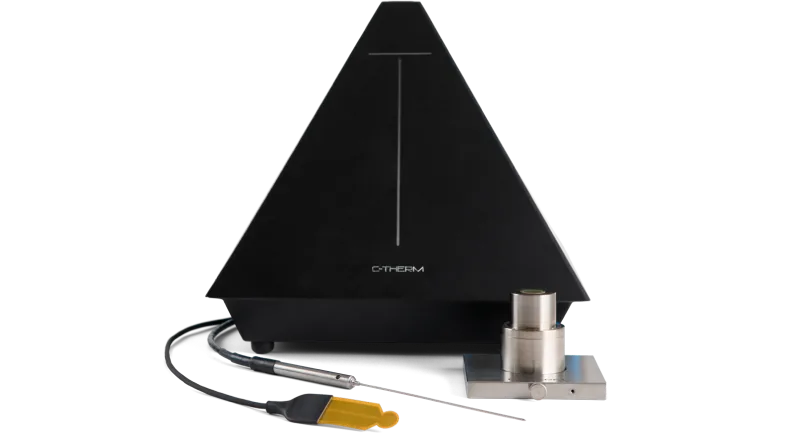
C-Therm Trident
The ultimate thermal conductivity toolbox — MTPS, TPS, TLS and THW transient sensors in one modular…
Thermal Conductivity Application
Thermal conductivity of AM powder feedstocks — process-critical data for laser sintering, EBM and powder bed fusion.
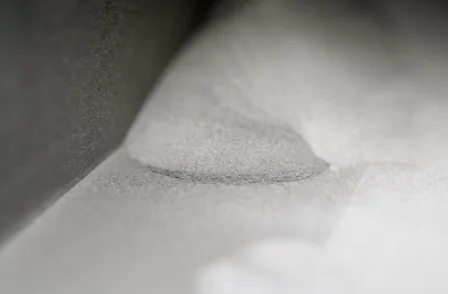
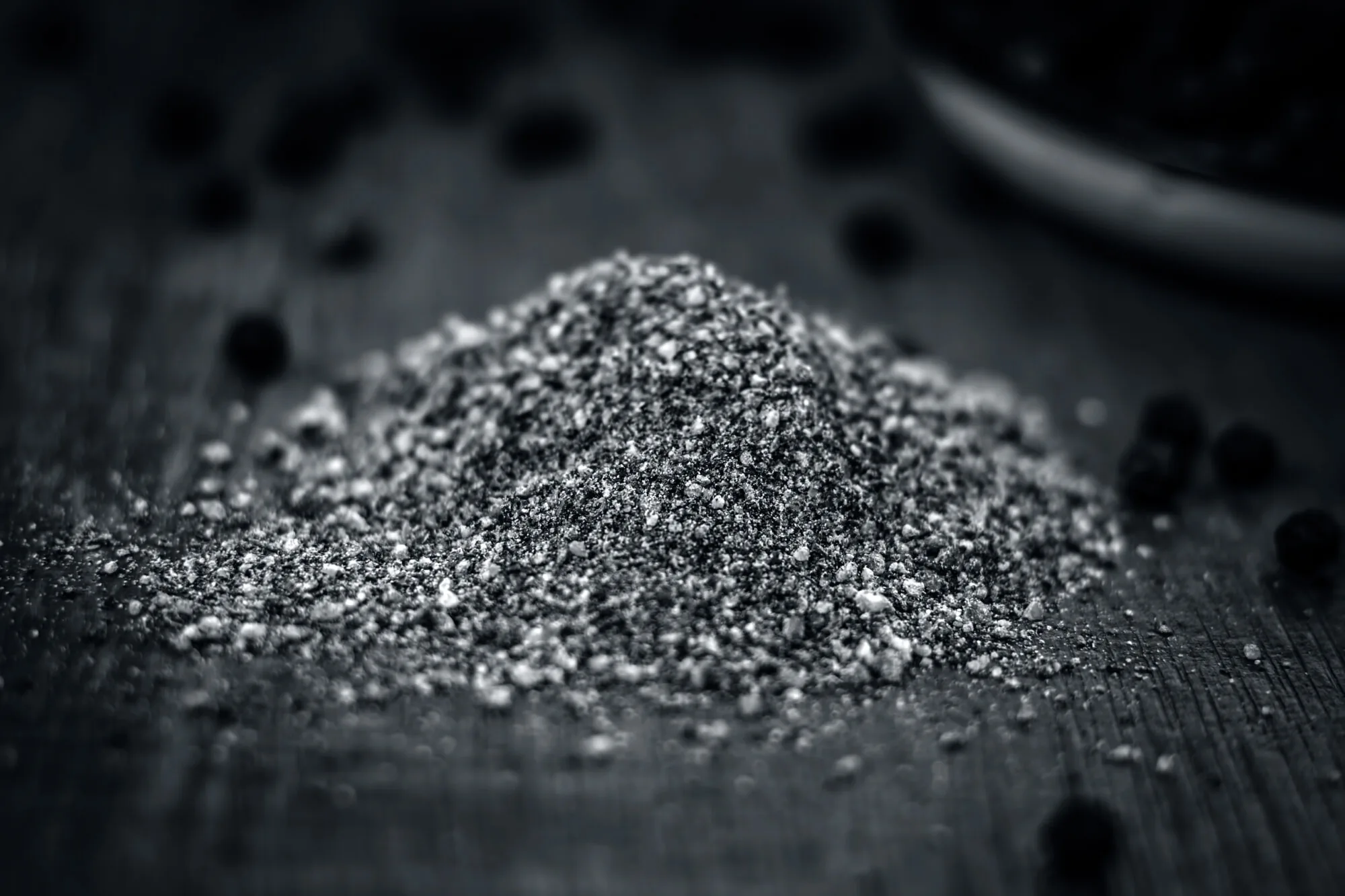
Additive Manufacturing (AM) is the process in which an object or desired part is manufactured through the additive deposition of individual layers of material. AM processes pertaining to metals and ceramics include selective laser sintering, electron beam melting, and laser powder bed fusion. For plastics, these and other techniques such as extrusion may be employed. In all cases, a feedstock (typically a powder) is melted into the desired position in a localized manner using a heat source – which may be physical such as a heating element or arc of electricity, or may be a high energy beam such as a laser or electron beam. The localized melt is then allowed to re-solidify before the next layer is deposited.
The thermodynamics of these processes are extremely complex, and are highly dependent on feedstock composition and quality, process chemistry, ambient atmosphere, deposition rate, and to some extent the part being machined. Therefore, AM process optimization can be challenging. Metals have additional challenges as it is often desirable to control the quenching of the metal to control the phase distribution in the alloy – particularly when working with shape-memory alloys. Ceramics tend to be relatively brittle and prone to thermal strain effects, so care must be taken not to allow too much of a thermal gradient to form in the material to avoid cracking of the finished part.
Polymers require tight temperature control to ensure good quality of the finished part and to avoid things like density gradients forming in the work item.
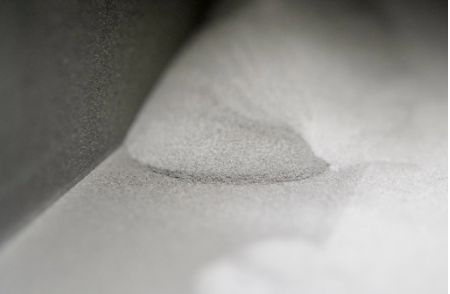
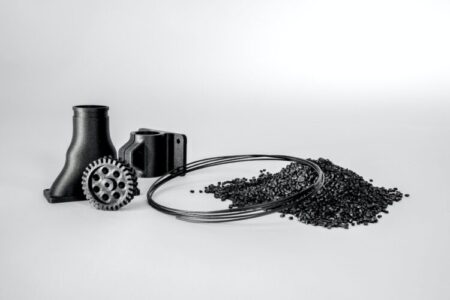
Efficient optimization of these processes requires a thorough understanding of the thermophysical properties of the system and a consistent, well characterized powder feedstock. Thermal conductivity is particularly important in terms of modelling the thermal management of these processes and the cooling kinetics involved.
To understand how quickly heat can be dissipated from the hot zone of an AM process, a thorough understanding of the thermal conductivity of the part, the melt, and the feedstock is needed. Thermal conductivity measurement provides this understanding. C-Therm's Trident offers MTPS for rapid and easy characterization of feedstock materials and parts, requiring only one sample of the material. Trident's TPS anisotropic utility enables characterization of anisotropic deposited parts. Finally the TLS module enables testing of the melt phase of polymers, all on a single testing platform.
This understanding can also benefit from a multi-technique approach – TGA and calorimetric techniques to understand thermal stability, heat capacity, and heats of phase change will aid in measuring the amount of heat that is absorbed and how quickly the materials will heat and cool.
Recommended Instruments
The ultimate thermal conductivity toolbox — MTPS, TPS, TLS and THW transient sensors in one modular…
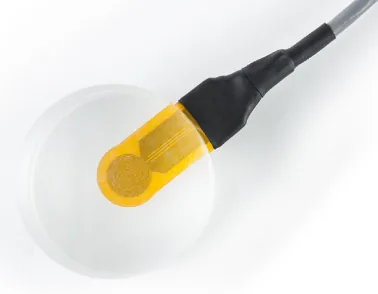
An economical, do-it-yourself Transient Plane Source (TPS) solution for academic researchers — build and customize your…
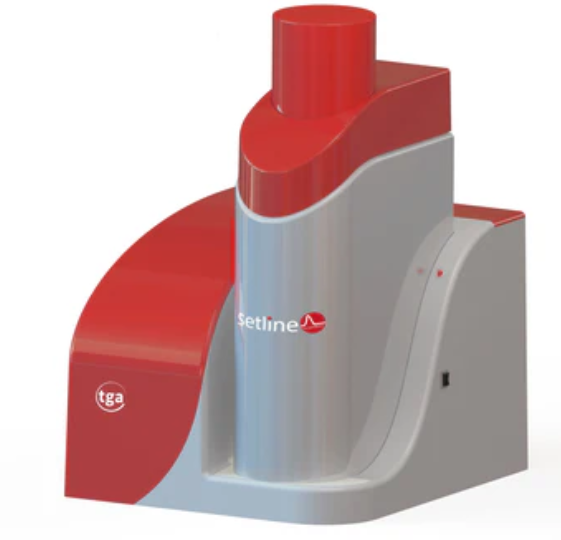
Hang-down balance TGA up to 1100 °C with magnetic calibration — ideal for education, QC, polymers,…
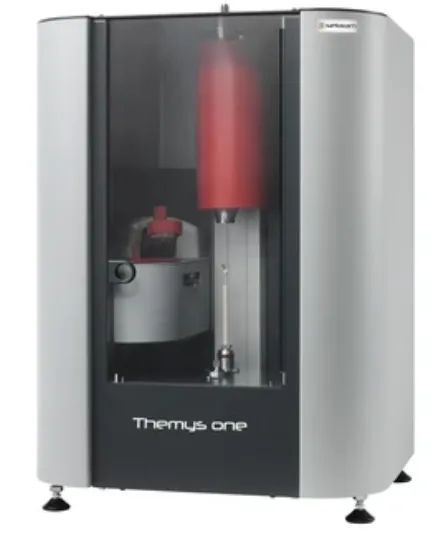
Ergonomic thermal analysis platform up to 1600 °C with interchangeable plug-and-play rods for TGA, DTA, DSC…
Our application specialists can recommend the right technique, sensor and measurement parameters — and share additional application data for your industry.
More Applications
Get application guidance, commercial quotes and demos from our thermal specialists.