KEP Technologies — SETARAM
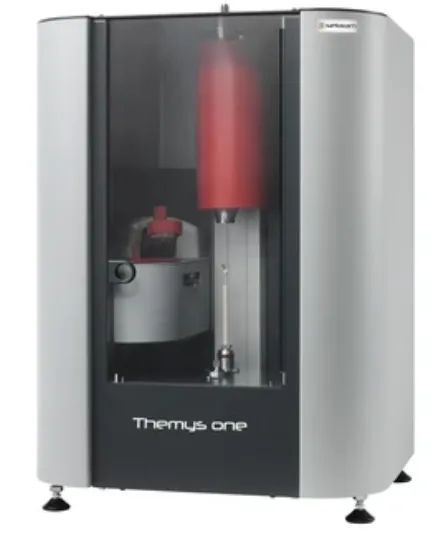
THEMYS ONE / ONE+
Ergonomic thermal analysis platform up to 1600 °C with interchangeable plug-and-play rods for TGA, DTA, DSC…
Thermal Analysers Application
Characterize building materials, ceramics, cermets, glass, metals & alloys, minerals and nanomaterials with SETARAM thermal analysis.

Assess hydration and setting properties, burnability of raw materials, heat balance. Measure data for heat transfer simulation in buildings.

You can use our solutions to understand and optimize the cement manufacturing process. It includes the reactions of the raw materials in the kiln: burnability, decarbonation, evolved gases. They are measured by DSC, TGA, STA, and EGA. Additionally, drop calorimetry can establish the thermal balance of the kiln.
You may need to study the rate and heat of hydration or setting of your cement or plaster powders. This is data allowing a better control of the final product's strength, workability and heat release at large scale. It is measured by Calorimetry under various pressure and temperature conditions.
Thermophysical properties Thermophysical properties of building materials are important technical specifications. You need their thermal expansion coefficient and heat capacity for heat transfer and mechanical stress simulation. TMA and calorimetry accurately measure these parameters.
Determine phase diagrams, thermal stability. Measure data for heat transfer simulation in ceramics- based systems. Understand powders sintering.
You can make some ceramics parts like those manufactured by 3D printing or injection molding using powder sintering. During sintering, the dimensions of the part changes. You can use TMA to measure powder expansion, shrinkage, and the final part's density.
Thermophysical properties Ceramics' Coefficient of thermal expansion (CTE) and heat capacity (Cp) are important technical specifications. It is especially true for heat transfer and mechanical stress simulation. You can use TMA and calorimetry to accurately measure these parameters.
Heat of Formation Interested in the long-term stability of complex ceramics? You can benefit from thermodynamics measurement. Heat of formation, measured by drop calorimetry, helps at predicting the ceramics' reactivity. It is also used for phase diagrams calculation
The properties of oxides like ceramics depend on their oxygen content. You can check the stoichiometry or oxygen to metal ratio of your ceramics using TGA.
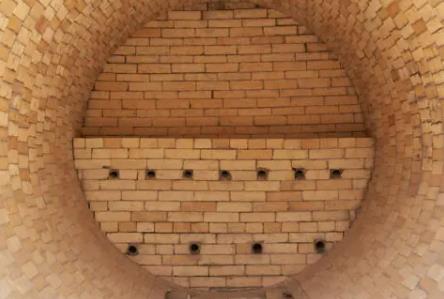
Determine phase diagrams, glass transition, thermal stability. Measure data for heat transfer simulation in furnaces.

Users of our instruments determine the phase diagrams of glasses, their glass transitions and obtain valuable data for assessing their thermal stabilities. Calorimetry and dilatometry can also be used to measure important properties for simulating heat transfer in glass melting furnaces. Optimize glass manufacturing with thermal analysis Thermal analysis is essential to the industry, studying the properties and behavior of glass during heating and cooling. It helps determine critical parameters for optimizing manufacturing processes. Thanks to these data, manufacturers can adjust processing conditions to improve the performance and durability of glass products. Phase diagram If you need to determine the best thermal profile for the production of a glass, phase diagram is the right tool. It can be assessed using DSC, DTA or drop calorimetry.
Heat capacity and thermal expansion of glass and of glass forming minerals are important process parameters. You can measure them by DSC, drop calorimetry and TMA.
Assess stability against corrosion. Determine phase diagrams, data for heat transfer simulation in metals based systems. Understand powders sintering.
The stability against corrosion and oxidation is an important criterion. You can study high temperature oxidation of metals and alloys using TGA. You can even simulate harsh conditions involving humidity, pressure, acidic vapors, etc.
Phase diagram Improvement of metal and alloy properties may come from a better control over their structure. For this you can benefit from phase diagrams. DTA or DSC directly measure characteristic temperatures of a phase diagram. Drop calorimetry, together with modelling, is an alternative indirect method.
You can make some metallic parts like those manufactured by 3D printing using powder sintering. During sintering, the dimensions of the part changes. You can use TMA to measure powder expansion, shrinkage, and the final part's density.
A metals' Coefficient of thermal expansion (CTE) and heat capacity (Cp) are important technical specifications. It is especially true for heat transfer and mechanical stress simulation. You can use TMA and calorimetry to accurately measure these parameters.
Heat of Formation Interested in the stability of complex alloys? You can benefit from thermodynamics measurement. Heat of formation measured by drop calorimetry helps predict the alloys' reactivity. It is also used for phase diagrams calculation.
Magnetic phases Residual austenite in hardened steel affects its mechanical properties and must be measured using techniques such as magnetic saturation testing. The same applies to cemented carbides, made of hard particles and binders such as magnetic cobalt or nickel.
Measure thermal stability data, determine composition.
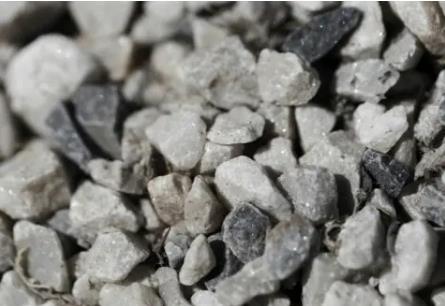
Setaram thermal analyzers and calorimeters enable in-depth study of mineral materials, assessing their composition, crystalline structure and the phase changes they undergo. These techniques are essential for understanding the properties of materials, identifying their transformation points and assessing their stability. Thermal analysis for mineral materials If you're studying mineral materials, your main objective may be to identify their added value or determine their best applications, such as in the field of building materials. By better understanding the characteristics of materials through thermal analysis, you can maximize their potential and adapt them to specific industrial applications. Compositional analysis
Determine thermal stability data, composition.
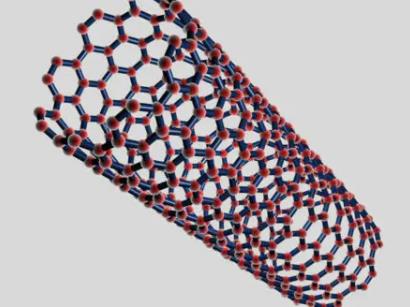
Thermogravimetric analysis (TGA) combined with evolved gas analysis (EGA) provides valuable insights into nanomaterials' composition and stability. Calorimetry helps determine thermodynamic properties, such as surface energy and reactivity, essential for understanding synthesis and optimizing conditions for applications like catalysis and energy storage. Nanomaterials: composition and reactivity If you're involved in the development or use of nanomaterials, it's crucial to specify or check their properties and composition. Our solutions are designed to help you meet these challenges. They allow you to optimize manufacturing processes and adapt materials to the specific requirements of various applications. Thermal Stability Are you using nanomaterials at high temperature? You can use TGA or STA to determine the thermal stability of your nanomaterials. It provides the temperature and steps of decomposition or transition, under different atmospheres.
Do you need to guarantee or check your material's composition? Using TGA, you can characterize solids containing nanomaterials. It includes the material's volatiles, organic, inorganic content, and nanomaterials content. Evolved Gas Analysis (EGA) helps with more detailed information.
Recommended Instruments
Ergonomic thermal analysis platform up to 1600 °C with interchangeable plug-and-play rods for TGA, DTA, DSC…
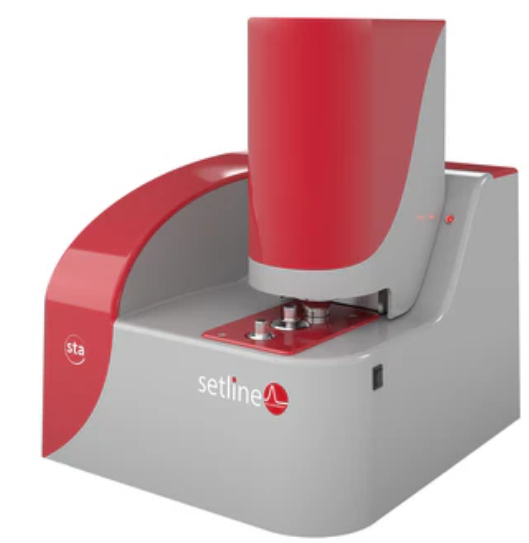
Powerful simultaneous measurement of temperature, mass change, heat and heat flow up to 1100 °C —…
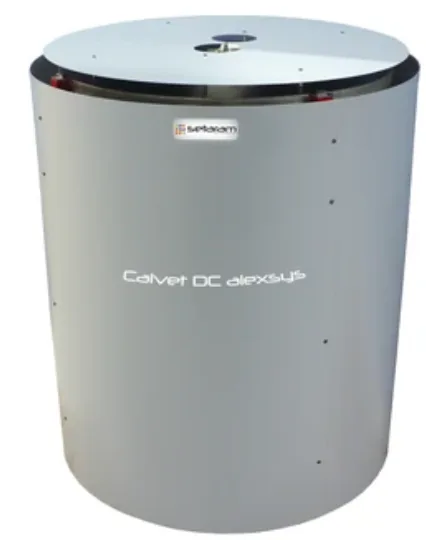
Drop calorimetry up to 1000 °C for thermodynamic stability of metals, alloys, ceramics and minerals —…
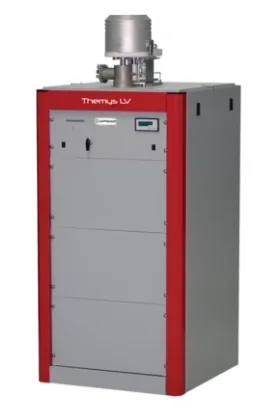
Thermal analysis of samples up to 18 ml at temperatures up to 2000 °C — heavy-duty…
Our application specialists can recommend the right technique, sensor and measurement parameters — and share additional application data for your industry.
More Applications
Get application guidance, commercial quotes and demos from our thermal specialists.