KEP Technologies — SETARAM
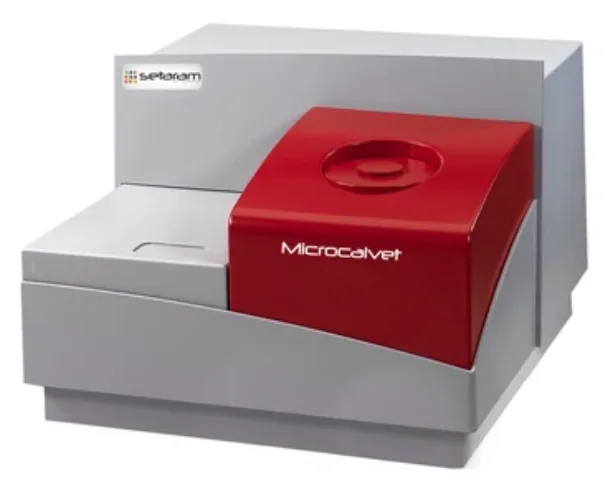
MicroCalvet Calorimeter
0.02 µW resolution 3D Peltier sensor with electrical calibration — for food materials, polymers, heat storage…
Thermal Analysers Application
Microcalorimetry for biomolecules, food, living organisms and pharmaceuticals — stability data you can trust.
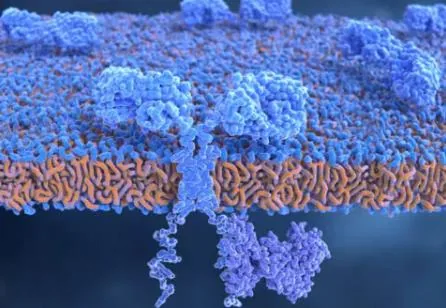
Determine thermal stability of proteins, enzymes, antibodies, DNA, membranes, vesicles.
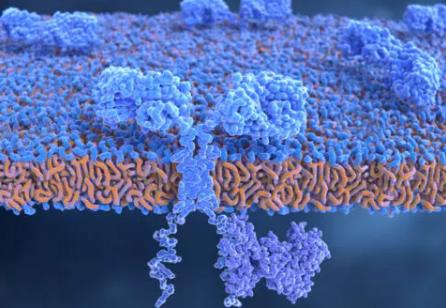
Setaram microcalorimeters are commonly used to determine the thermal stability of proteins, enzymes, antibodies, DNA, membranes and vesicles. Solutions for understanding and optimizing the stability of your biomolecules in solution. Characterizing the stability of biomolecules in solution is a major challenge in both research and industry. Calorimetry plays a crucial role in providing accurate measurements of the temperatures and heats of intra- and inter-molecular interactions. Our tools offer the highest measurement accuracy, meeting your most demanding requirements. Proteins, Enzymes, Antibodies Vesicles, Liposomes, Membranes & Micelles You may study these systems because you work with drug formulation, food or cosmetics research. Our microcalorimeters can help you with understanding their structure, formation, and transformations. They measure their temperature stability range, and inform about their formation and dissociation processes.
Measure carbohydrates or protein transitions, lipids phase diagrams. Identify components of raw and reconstituted food.
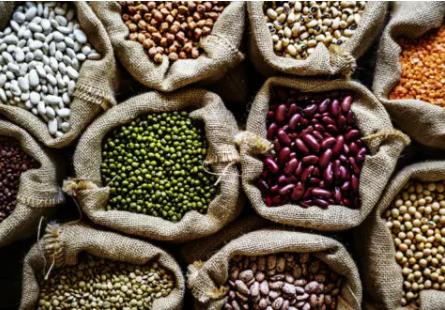
The characterization of food products is a challenge in both industry and research. By applying our solutions to lipids, carbohydrates and proteins and their treatment processes, you can optimize these processes and improve the quality and stability of the food products you purchase, develop or produce.
Heating of carbohydrates like sugars, starches or gel forming substances means triggering reactions. For instance: water release, melting, decomposition, gelatinization, retrogradation or gel formation. Our DSC solutions provide data to study and maintain control over these reactions. Food proteins In the food industry, it is important to test proteins with DSC for their temperature of unfolding, aggregation and of glass transition. Indeed, when transforming, food products may lose their properties and change structure. Oils, Fat, Lipids Lipids provide food products with specific texture, flavor release, or ageing resistance. But an uncontrolled change of lipid structure may lead to an undesired change of product quality. DSC is used to detect and understand these structure changes in lipids. Food processing You may use many food processing methods with thermal or pressure treatments. With DSC, calorimetry and microcalorimetry you can measure interesting data for process engineering. It includes heat capacity, heat of freezing, or the influence of pressure on ingredient properties.
Assess the metabolism of microorganisms or small animals.

Since its origin, calorimetry has been used to measure the metabolism of small living organisms. Our solutions help you with measurements of heat release as a function of time for the detection of active and dormant phases.
The heat released by a colony of bacteria can be a footprint, used to identify or discriminate them. You can also test the impact of environmental conditions on bacterial growth, like temperature, concentration, antibiotics, pollutants, culture media and strain, etc Animals With calorimetry, you can test how environmental conditions impact small animals (e.g. insects, worms). Conditions include temperature, pesticides or pheromones concentration. You can find the most resistant species, and how conditions inhibit or enhance their activity.
Measure purity, water content, crystallinity, polymorphism, thermal stability and compatibility of solid dosage forms.
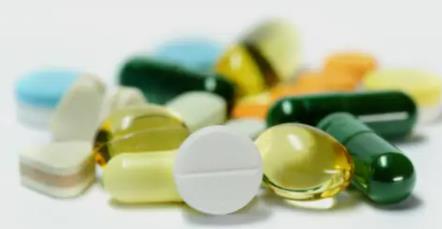
If you want to characterize pharmaceutical materials consider thermal analysis. It is widely used for development, scale up, process, IP/Patents, reverse engineering and quality control purposes.
The chemical purity of pharmaceutical materials is one of their key features. You can check your materials' purity using a specific DSC technique. Polymorphism The properties of solid drugs like bio-availability or long-term stability vary with their structures. You can use DSC or calorimetry to study how different solid forms (or polymorphs) of the same molecule may exist and stay stable with temperature, time, or humidity. Thermal stability You may need to study the thermal stability of pharmaceutical materials. It is essential if they are prepared or processed by distillation, drying, evaporation, hot melt extrusion, etc. TGA is the right technique to determine the thermal stability of such materials. Compatibility A stable active ingredient can be destabilized by a badly chosen excipient. In many cases, the destabilization reaction leads to slow and low level heat production. Microcalorimetry is the right technique to determine incompatibilities and to select the blend.
Recommended Instruments
0.02 µW resolution 3D Peltier sensor with electrical calibration — for food materials, polymers, heat storage…
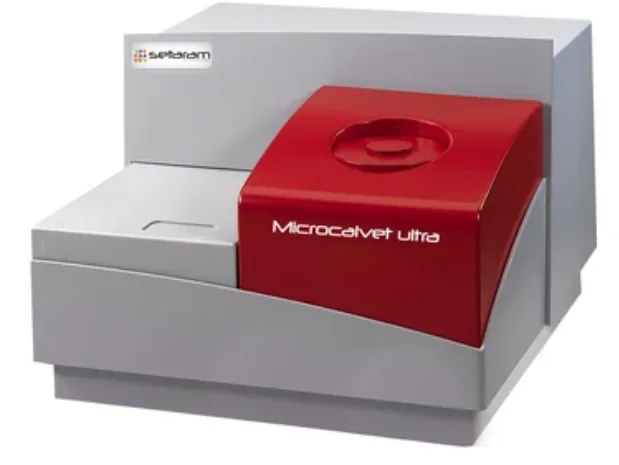
Latest-generation Peltier 3D sensor detecting microwatt-scale transitions in biomolecules, food products and polymers — with washable,…
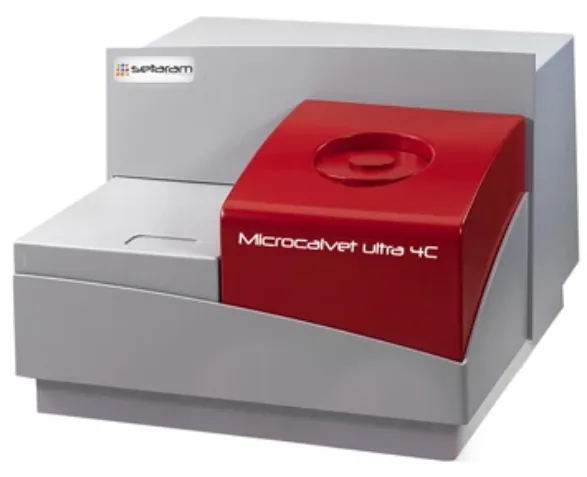
Four measuring wells for two simultaneous ultra-sensitive measurements — 0.0015 µW resolution from −20 to 170…
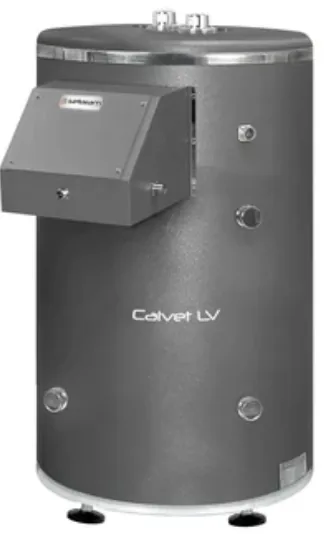
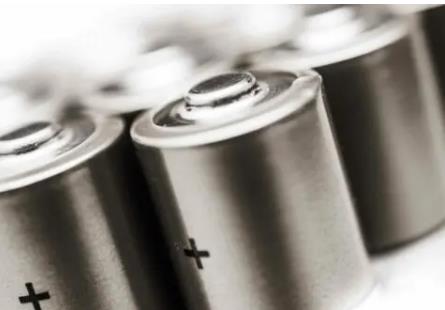
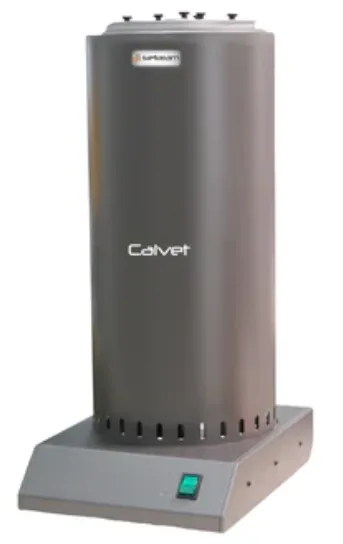
Isothermal 3D-sensor calorimeter for very large samples — ideal for batteries, building materials and metabolism studies.
Our application specialists can recommend the right technique, sensor and measurement parameters — and share additional application data for your industry.
Get application guidance, commercial quotes and demos from our thermal specialists.