C-Therm Technologies
C-Therm Trident
The ultimate thermal conductivity toolbox — MTPS, TPS, TLS and THW transient sensors in one modular…
Thermal Conductivity Application
Characterize heat dissipation in thermally conductive polymer compounds replacing metals and ceramics in electronics.
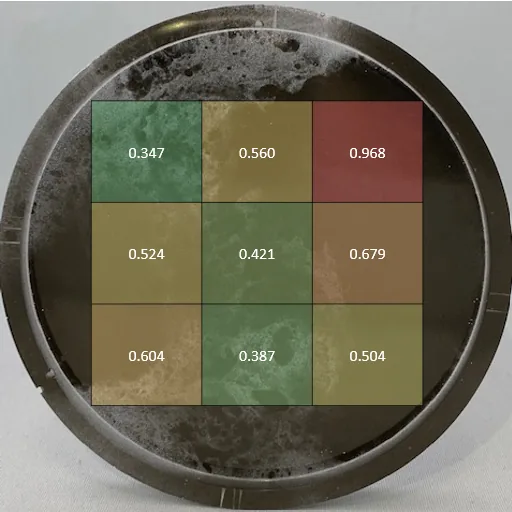
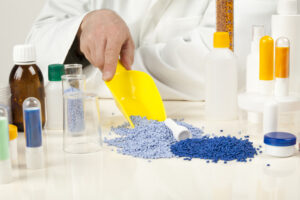
Measuring the thermal conductivity of polymers is necessary in understanding the material's performance for a wide range of applications where heat dissipation is considered a critical quality attribute. In electronics, the thermal conductivity directly supports the thermal management within the package and is critical to the performance, lifetime, and reliability of the electronic device. Thermally conductive polymer compounds can replace metal, ceramics and conventional plastics for such heat-sensitive applications. The key is to have an accurate understanding of the effective thermal conductivity of the polymer composite – this requires testing as part of the candidate material's characterization.
Polymers are more and more used in various heat-sink applications such as electronics, biomedical devices, battery housings and automotive parts. The usage of thermally conductive plastics which are injection moldable leads to maximum design freedom for constructing parts. Furthermore, thermally conductive compounds show a lower density and can be much lighter than equivalent components. Incorporation of thermal conductive fillers such as boron nitride (BN), carbon nanotubes (CNTs), aluminum nitride (AlN), copper (Cu), silver (Ag) and graphene nanoplatelets (GNPs) is the most common approach to improve thermal conductivity.
However, in formulating and compounding the polymer composites there are often challenges with the distribution of the filler additives and other factors that impact the effective thermal conductivity. At the molecular level the thermal transport mechanisms in polymers in terms of polymer morphology, chain structure and inter-chain coupling impact thermal conductivity.
Ultimately it is necessary to test and quantify the thermal conductivity performance.
What is the best test method for testing the thermal conductivity of polymers?
The optimal method depends on the sample and conditions under which the material is desired to be tested. C-Therm stresses the importance of testing samples under representative test conditions for the application. Pressure, temperature and other environmental conditions (e.g. humidity) need to be representative of the intended use as they can significantly impact the effective thermal conductivity.
With its modular offering, C-Therm's Trident Thermal Conductivity instrument provides users with the necessary options to test polymers that range in sample formats. As a complete solution – it is the only commercial test equipment that offers the versatility within the platform to test bulk isotropic, oriented/anisotropic, thin films, and polymer melt samples.
Recommended Instruments
The ultimate thermal conductivity toolbox — MTPS, TPS, TLS and THW transient sensors in one modular…
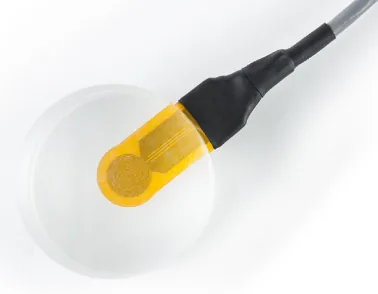
An economical, do-it-yourself Transient Plane Source (TPS) solution for academic researchers — build and customize your…
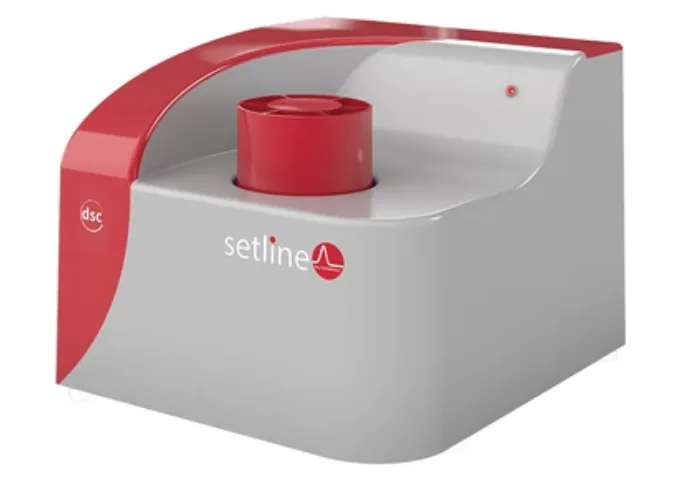
Compact, robust DSC from −170 to 700 °C for quality control, training and industry — with…
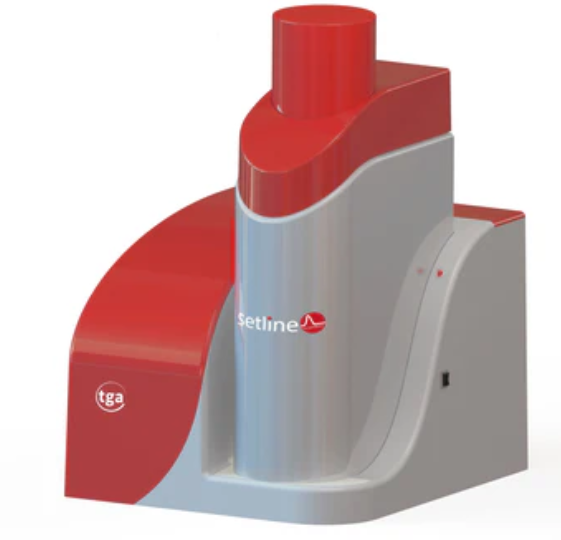
Hang-down balance TGA up to 1100 °C with magnetic calibration — ideal for education, QC, polymers,…
Our application specialists can recommend the right technique, sensor and measurement parameters — and share additional application data for your industry.
More Applications
Get application guidance, commercial quotes and demos from our thermal specialists.