C-Therm Technologies
C-Therm Trident
The ultimate thermal conductivity toolbox — MTPS, TPS, TLS and THW transient sensors in one modular…
Thermal Conductivity Application
Characterize costly nanomaterials with just 1.5 ml sample volume — quick measurements, thermal mapping of composites.
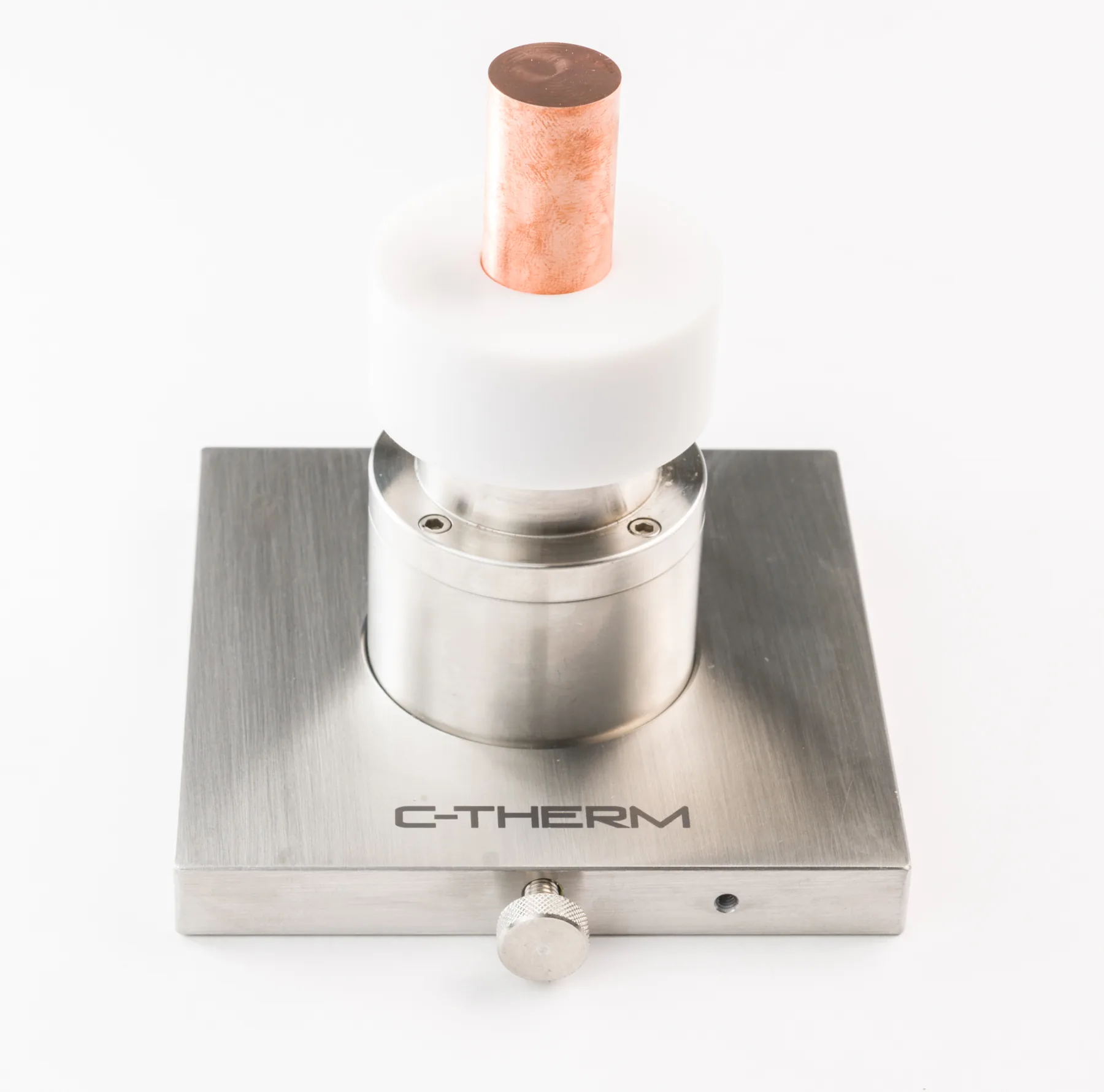
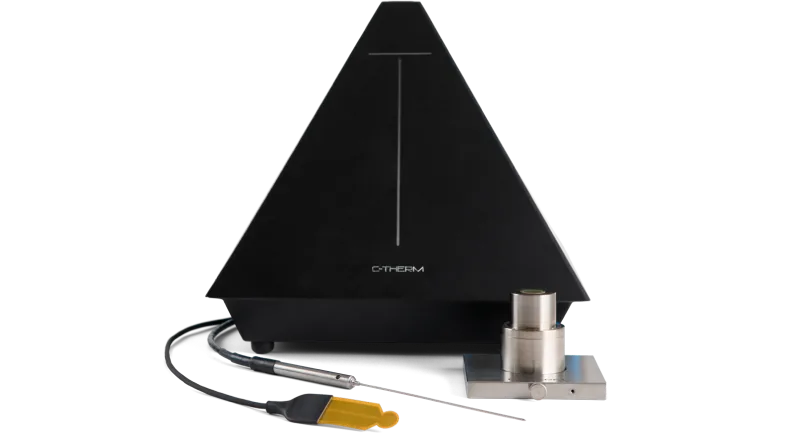
Trident Thermal Conductivity Instrument, equipped with the MTPS sensor, ideal for measuring nanomaterials and the thermal mapping of composites.
The Modified Transient Plane Source (MTPS) method developed by C-Therm provides the optimal choice for researchers in characterization the thermal conductivity of nanomaterials. Such materials are expensive and time-consuming to produce in the development phase. The MTPS has a small volume requirement of 1.5 mL, which is convenient for quick measurements, especially given the cost of large volumes of nanoparticles. The method's simplicity allows researchers to quickly and easily characterize their samples, with no need for regression analysis. Additionally, the single-sided sensor is the only method that allows for the thermal mapping of a sample's performance to better understand the dispersion of nanomaterials in a polymer matrix.
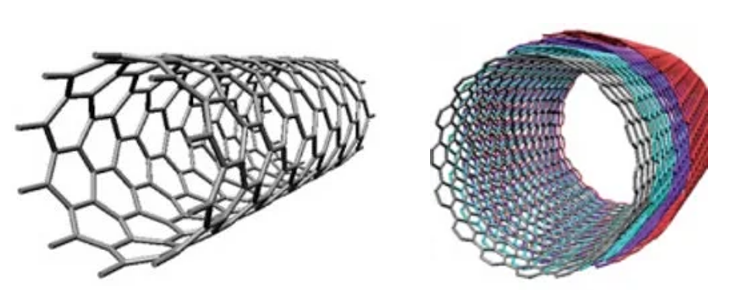
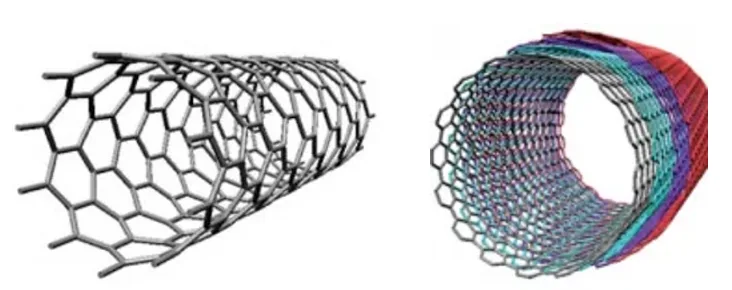
which are often used as a filler material to increase thermal conductivity.
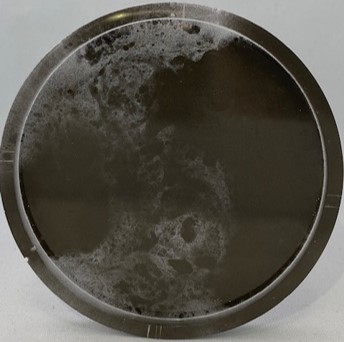
An epoxy resin that has been filled with conductive metal nanoparticles to increase thermal conductivity. This was done unevenly for the purpose of creating a thermal map.
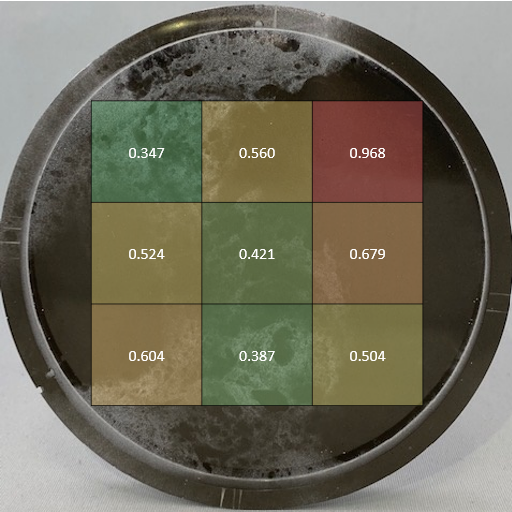
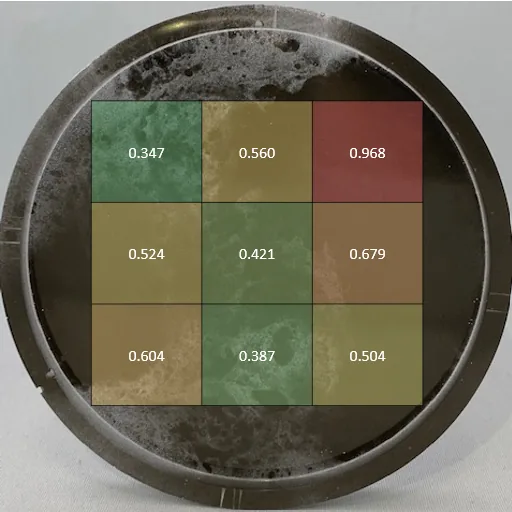
A thermal map of the nanoparticle-filled epoxy resin. The high thermal conductivity correlates to a high concentration of nanoparticles. This map demonstrates the uneven nature of the filler. This is only possible with the MTPS.
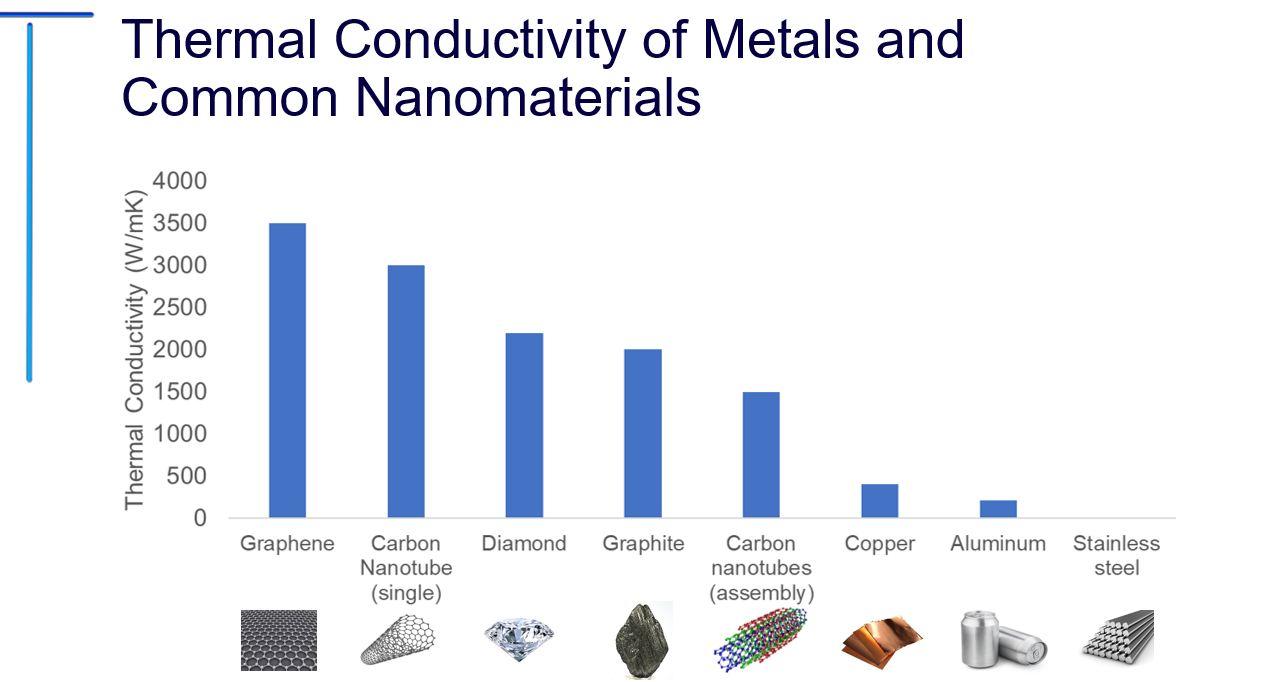
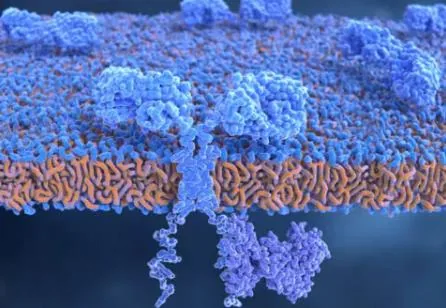
Nanomaterials are often used as filler materials to improve the heat transfer of composites.
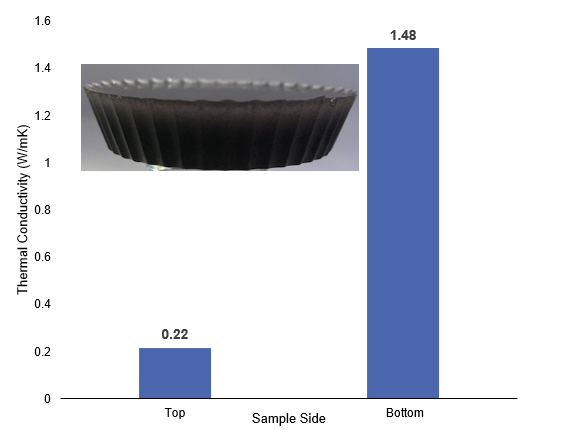
An example of settling detection; the top of the composite has a visibly lower particle concentration that the bottom, and this can be detected using thermal conductivity measurements possible with the single-sided MTPS.
Nanomaterials offer unique electrical properties, extraordinary strength and great efficiency in heat conduction. Application areas for nanomaterials include electronics, optics, medicine and architecture – offering tremendous potential for ground-breaking discovery. The effective thermal conductivity is often considered a critical performance attribute of the material.
Recommended Instruments
The ultimate thermal conductivity toolbox — MTPS, TPS, TLS and THW transient sensors in one modular…
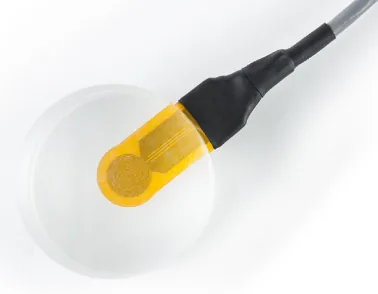
An economical, do-it-yourself Transient Plane Source (TPS) solution for academic researchers — build and customize your…
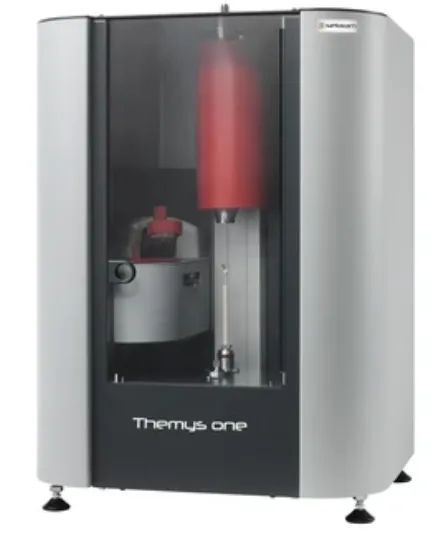
Ergonomic thermal analysis platform up to 1600 °C with interchangeable plug-and-play rods for TGA, DTA, DSC…
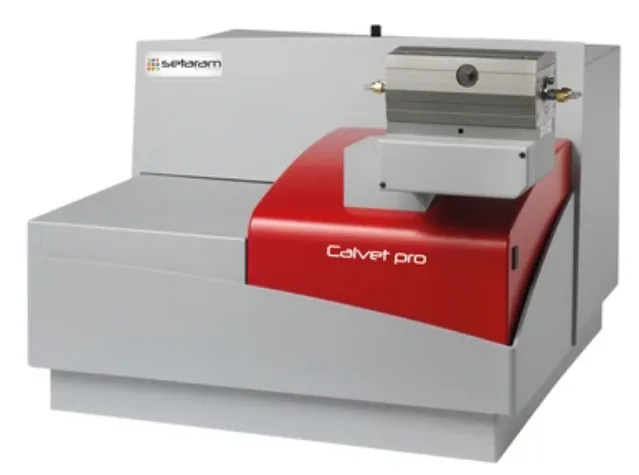
Versatile 3D DSC sensor calorimeter from −120 to 830 °C and up to 500 bar —…
Our application specialists can recommend the right technique, sensor and measurement parameters — and share additional application data for your industry.
More Applications
Get application guidance, commercial quotes and demos from our thermal specialists.