KEP Technologies — SETARAM
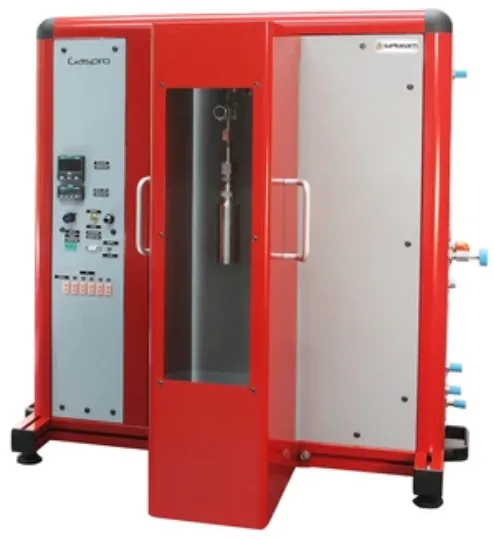
Gas Pro V2
Automated sorption, desorption and kinetics in one run — sub-ambient to 500 °C, up to 200…
Thermal Analysers Application
Thermal analysis and calorimetry for batteries, hydrogen, CO2 capture, renewable energies, heat storage, fossil fuels, waste and nuclear materials.
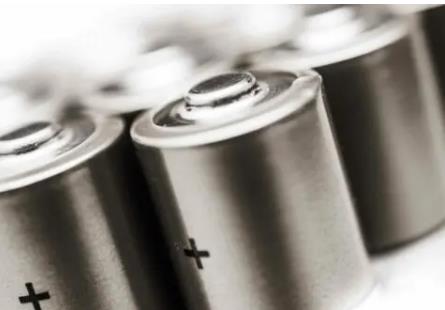
Assess thermal stability, heat transfer management, self-discharge data.
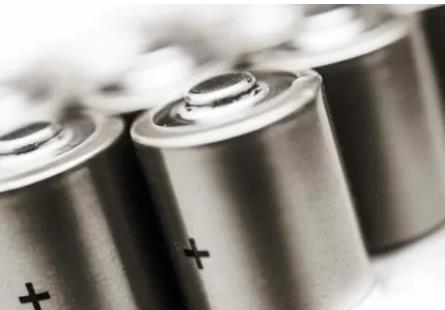
You may need to characterize heat transfer in batteries during charging and discharging. Calorimetry provides you with the necessary heat release and heat capacity data.
Self-discharge If you need to specify the capacity of your batteries to retain their charge for long periods, calorimetry is the solution. It directly measures a battery's self- discharge heat.
Characterize their sorption, desorption, selectivity data, coke content.
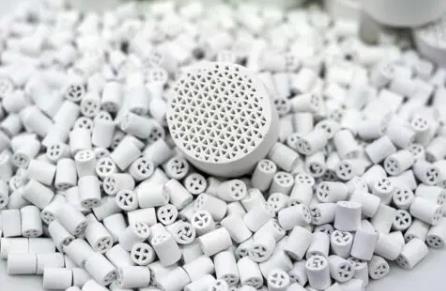
If a solid substrate adsorbs a lot of gas but the sorption takes too long, it isn't applicable. With TGA and manometry, you can measure how fast the sorption takes place between the gas and the solid.
If you're interested in separation processes, the best materials adsorb more of the desired gas, faster. You can compare sorption isotherms and kinetics to characterize selectivity against various gases.
Heat of sorption To select the best catalysts, you need to understand their surface chemistry. You can measure heat of sorption by coupling calorimetry with manometry. A large amount of heat means a strong interaction between the catalyst surface and the test molecule, and vice versa.
You can ensure your catalysts work for longer with TGA. A typical application of TGA is the quantification of the coke deposits on a catalyst's surface during its operation.
Evaluate the thermal properties and processing behavior of materials used in renewable energy applications such as solar, wind, and biomass.

Thermal analysis and calorimetry are key to evaluating the thermal stability and curing behavior of composite materials used in wind turbine blades. These are critical data for ensuring structural integrity under fluctuating environmental conditions. These methods also help assess the high-temperature performance of strong permanent magnets in generators, ensuring reliability under operational stress.
Biomass BIOMASS Thermal analysis techniques like TGA are essential for characterizing biomass in combustion, pyrolysis, and gasification processes by determining water, ash content, reaction temperatures, and solid residues. Evolved Gas Analysis (EGA) complements this by identifying valuable gases released during pyrolysis. Additionally, calorimetry provides crucial data on heat and heat capacity, supporting energy balance and heat transfer simulations in biomass processing.
Gas sorption, desorption, selectivity and regeneration data of capture materials.
If the substrate adsorbs a lot of CO2 but the sorption takes too long, it doesn't work. With TGA and manometry, you can measure how fast the sorption takes place between the gas and the substrate.
The substrate used must be selective, i.e. capture more CO2 than other gases. You can compare sorption isotherms and kinetics to characterize selectivity of the substrate against various gases.
Heat of sorption Is high heat released in the process during adsorption? How much heat is necessary to regenerate the substrate after saturation with CO2? To help answer these questions, measure heat of sorption with calorimetry coupled to manometry.
Measure sensible and latent heat of PCM, heat transfer fluids, reversible sorption material.

Setaram calorimeters measure a wide range of thermal and thermodynamic properties. We offer solutions for samples from a few miligrams to a few grams, on solids, liquids or gases. These may include for example phase change materials or heat transfer fluids. Measure sensible and latent heat of solids, liquids or gases for thermal energy storage. As a developer of materials for heat storage systems, you need to establish their thermal specifications. As a user of such materials, you need to check their specifications against your application. Phase Change Materials Heat Transfer Fluids You can characterize a heat transfer fluid by its heat capacity. It corresponds to the amount of heat that the fluid can absorb and thus transport. DSC and calorimetry measure accurate heat capacity of most fluids including under pressure.
Reversible Sorption Adsorbents used for thermal energy storage must have a high and stable heat of adsorption and desorption. You can use a coupled TGA and DSC to simultaneously measure the capacity and heat of sorption.
Assess composition, reactivity, combustion and sorption properties of materials such as coal or shale.
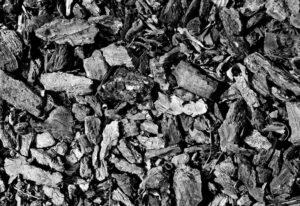
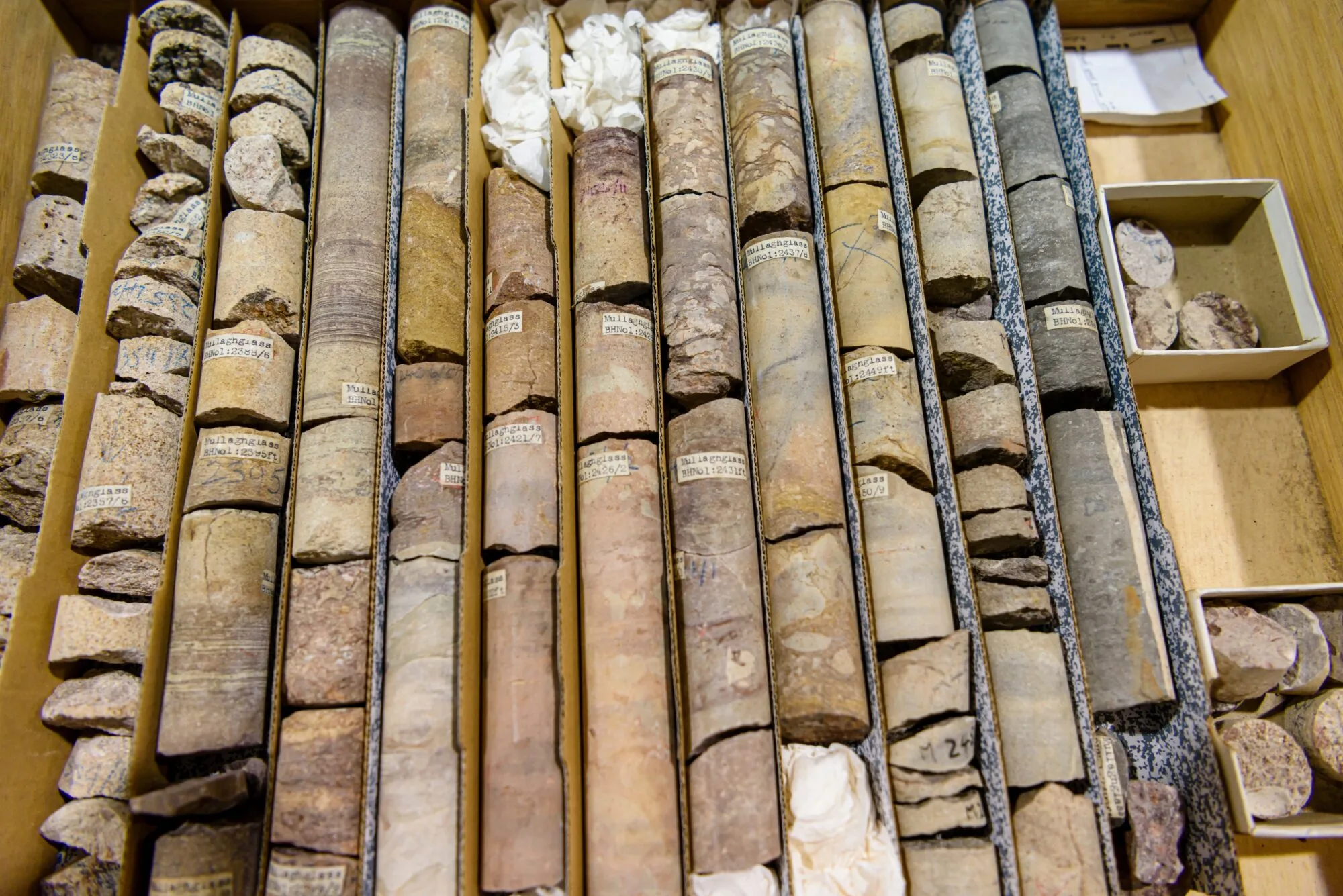
Thermogravimetric analysis (TGA), gas sorption analysis or DSC enable our customers to assess the composition, reactivity, combustion and sorption properties of coals or shales. Get essential properties of fossil fuels used in power generation processes. The thermal properties and composition of fossil fuels play a key role in controlling industrial power generation processes. Our solutions meet the characterization needs of these fuels. Coal composition You can use a simple TGA test procedure to get information about coal composition. One single measurement gives its moisture, volatile matter, fixed carbon, and ash content. All are important coal quality specifications.
Oil & gas shale Understanding gas shale formation and extraction benefit from gas sorption characterization. You can test oil shale using STA to better understand their use in energy production processes.
Material Characterization for Hydrogen: production, storage, distribution and conversion.
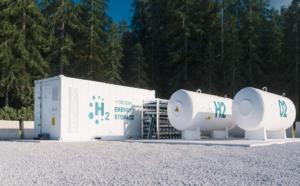
Thermal analyzers, calorimeters and gas sorption analyzers offer unique solutions for characterizing materials used in the hydrogen cycle. They contribute to improving their sorption and desorption properties, their efficiency or their thermal stability. The hydrogen cycle represents a major challenge for the development of sustainable energies, requiring efficient solutions for production, storage and conversion. The development of materials adapted to these uses is also essential to guarantee the performance and durability of hydrogen- related technologies. Our solutions give you a chance to contribute to this development effort. Hydrogen Production Hydrogen Storage The cost and strength of materials used in hydrogen storage components and systems can be improved by characterizing their resistance to aging. Storage in liquid or solid sorbents is a promising alternative but materials need to store more hydrogen and be faster to charge and discharge the gas. Setaram helps you characterize the capacity and speed of your materials.
When hydrogen is transported in gaseous or liquid form, it has a significant maintenance cost due to the short life time of materials at high pressure and/or low temperature. You may therefore have to characterize the stability of potential materials under these conditions. Hydrogen Conversion By combustion: turbines operating with hydrogen are subjected to higher temperatures. Setaram solutions support you with the characterization of new, more resistant alloys. By conversion in a fuel cell: the development of less expensive materials, which can resist higher temperatures, is driven by thermal stability characterization using Setaram instruments.
Measure gas hydrate stability, wax appearance data to anticipate oil and gas transportation issues.
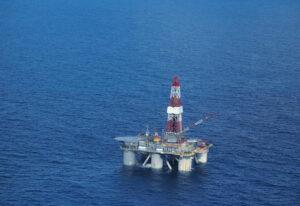
Setaram's high pressure calorimetry has become a gold standard for mesasuring thermodynamic data such as gas hydrate stability and wax appearance temperature in order to anticipate oil and gas transportation issues. Measure data to anticipate oil and gas transportation issues. When you're in the oil & gas business, you know that the preservation of the flow of oil and gas in pipelines is critical. Flow assurance laboratories need solutions like high pressure calorimetry to simulate and predict flow properties in pipelines. Gas hydrates stability Wax appearance Waxes affect gas flow in pipelines at high pressure and low temperature. You can determine the conditions of the appearance of waxes in these oils with DSC or calorimetry. Real-life high pressure and low temperature conditions are achievable with these techniques.
Determine composition, combustion behavior, recycling process data.

TGA and evolved gas analysis help you with the characterization of waste plastic for the production of fuel or chemicals. They provide: – the temperature range, the steps of waste pyrolysis or combustion, – the residual solid content, – the identification of evolved gases.
Sewage sludge Pyrolysis, combustion or gasification of sewage sludge help reduce waste volume. TGA and STA are appropriate methods to study these processes. They can determine decomposition temperatures, reaction steps, and kinetic models.
Assess materials thermal and thermophysical properties, quantify nuclear materials in waste.
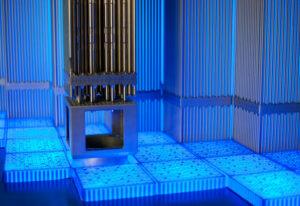
Setaram thermal analysis and calorimetry equipment is widely used to characterize materials used in the nuclear fuel cycle. Assess the thermal or thermophysical properties, stability or composition of nuclear materials. We offer standard systems for measuring thermal properties at very high and very low temperatures, as well as at high and low pressures. If you have specific challenges related to the handling of nuclear fuel and waste, we also have custom solutions for glove boxes or hot cells to meet these requirements.
The oxygen-to-metal (O/M) ratio, or stoichiometry, is one of the most critical parameters of nuclear fuel fabrication. Thermogravimetry (TGA) is the main solution for controlling this ratio.
You need to determine how the ageing of nuclear fuel may impact its physical state. Phase diagrams are perfect tools for that purpose, and can be assessed using DSC, DTA or drop calorimetry.
In-pile behavior You can use our solutions to predict a new fuel's behavior in the reactor, i.e. the in-pile behavior. It consists of measuring thermophysical parameters, including thermal expansion with TMA, and heat capacity with high temperature calorimetry.
The amount of radioactive material in a waste or fuel is not always known. You can use calorimetry as a non-destructive method to quantify the radioactive material. The technique does not depend on the material's matrix or geometry.
Recommended Instruments
Automated sorption, desorption and kinetics in one run — sub-ambient to 500 °C, up to 200…
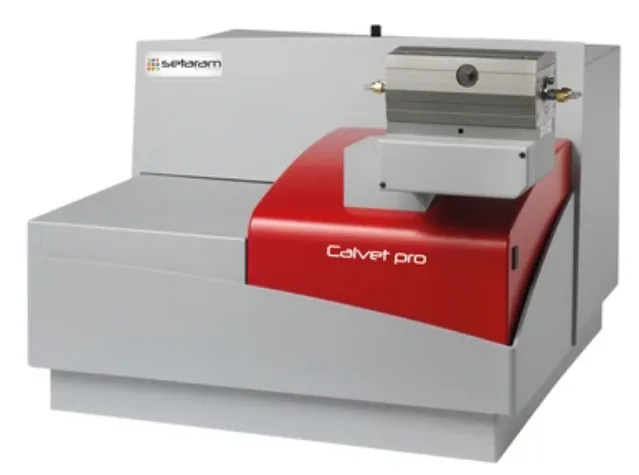
Versatile 3D DSC sensor calorimeter from −120 to 830 °C and up to 500 bar —…
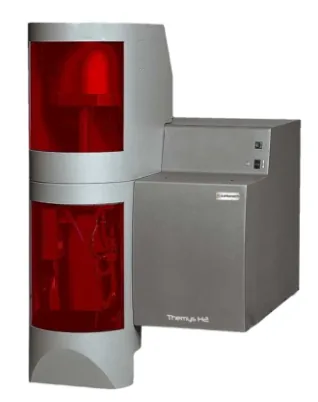
TGA, TMA and STA under hydrogen with integrated H₂/O₂ probe safety systems — for hydrogen research…
Isothermal 3D-sensor calorimeter for very large samples — ideal for batteries, building materials and metabolism studies.
Our application specialists can recommend the right technique, sensor and measurement parameters — and share additional application data for your industry.
Get application guidance, commercial quotes and demos from our thermal specialists.