C-Therm Technologies
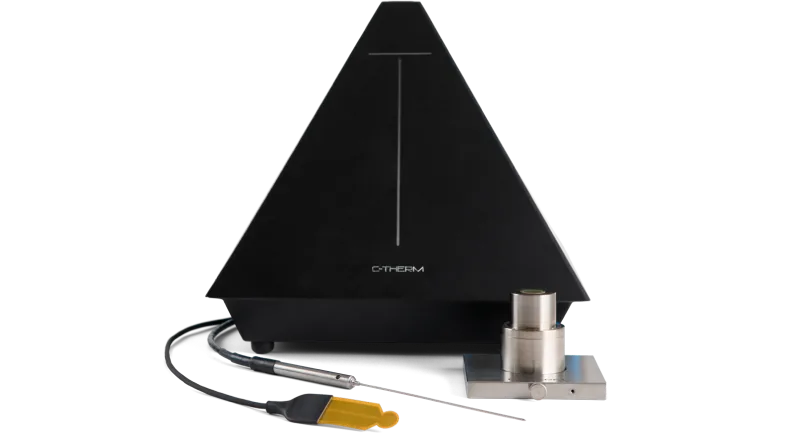
C-Therm Trident
The ultimate thermal conductivity toolbox — MTPS, TPS, TLS and THW transient sensors in one modular…
Thermal Conductivity Application
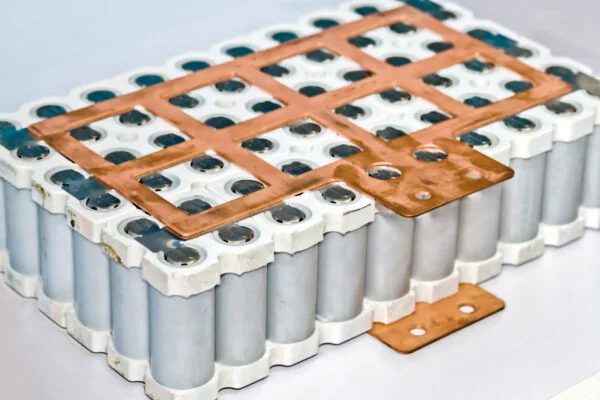
Thermal characterization of cells, modules and packs — key data for battery thermal management and safety design.
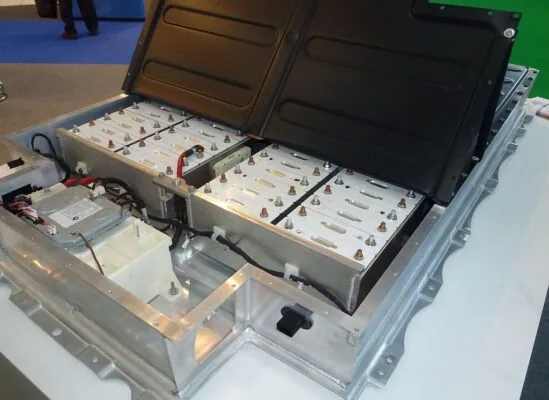
Batteries are an energy storage solution used widely across many consumer and industrial applications.
With increased consumer demand for environmentally friendly, sustainable transportation options, the performance of electric vehicles is an increasing priority. Simultaneously, portable electronic devices are increasingly demanding more power consumption as consumers demand ever-increasing performance. Batteries take advantage of electrochemical oxidation-reduction (sometimes called "redox") reactions which take place in electrochemical cells:
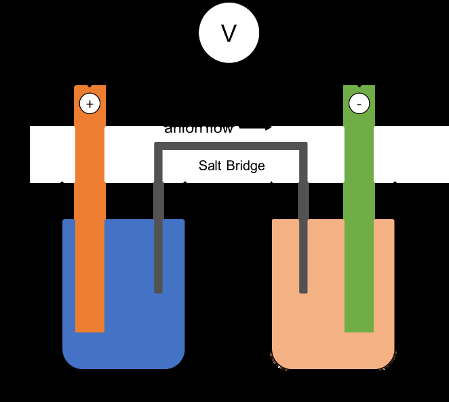
A simple electrochemical cell consists of two electrodes, dubbed the cathode and the anode, which are separated in separate electrolyte solutions. Anions are allowed to flow between the solutions via a salt bridge, and the electrodes are connected to a voltameter to determine the electronic potential. If many cells are connected in series, it becomes a battery. Batteries can be tuned to the application by varying the number of cells or the identity of the cation and the anion.
Intense research is being devoted to increasing the energy density, storage capacity, and cycling speed of battery systems. However, increasing energy density, storage capacity, and cycling speed comes with a consequence: more and faster generation of waste heat.
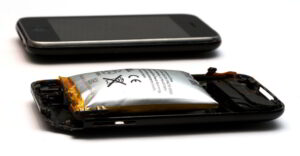
This can pose a hazard in the case of battery systems prone to thermal runaway issues – famously including Li-ion batteries but also lead-acid batteries and nickel-cadmium batteries, among others. Thermal runaway has been the cause of famous accidents, such as the crash of UPS Airlines Flight 6, reports of plane fires on the 787 Dreamliners and recreational devices such as scooters and cell phones spontaneously catching fire, sometimes while in use. Managing and reducing risk of thermal runaway in these systems is therefore a key safety priority.
However, even when the consequences of poor thermal management are not disastrous, it does come at a cost: shorter lifespan, reduced cycling efficiency, and lower storage capacity are all common consequences of battery material aging, which can be accelerated by overheating and poor thermal management. It's therefore key from both a safety perspective and from a performance perspective to deeply understand the thermophysical considerations of the battery cycling process and the thermal hazards involved to enable rational and systematic design of effective thermal management systems.
To understand how much heat can be transferred away from the cells, an understanding of fundamental heat-transfer characteristics of the cell construction is needed. Thermal conductivity measurement provides this understanding. C-Therm Trident offers MTPS for rapid and easy characterization of candidate materials and electrolyte solutions, requiring only one sample. Trident's TPS thin films module enables characterization of solid phase electrolyte and salt bridge materials.
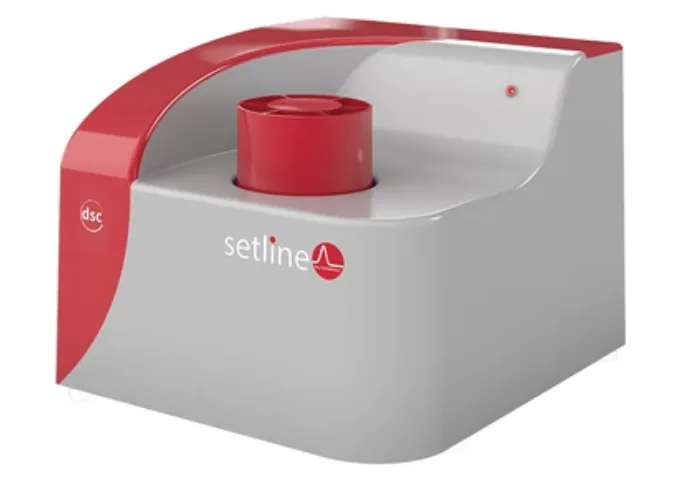
This understanding can also benefit from a multi-technique approach – TGA and calorimetric techniques to understand thermal stability, heat capacity, and heats of reaction will aid in measuring the amount of heat that is generated and how quickly the materials will heat.
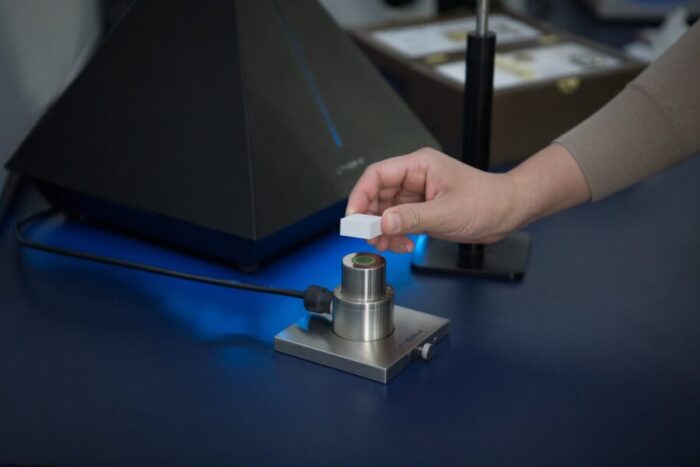
Recommended Instruments
The ultimate thermal conductivity toolbox — MTPS, TPS, TLS and THW transient sensors in one modular…
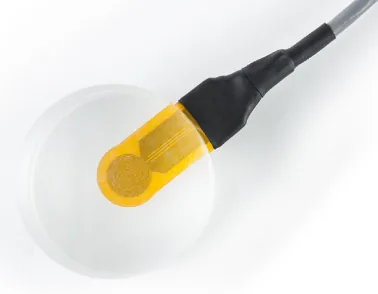
An economical, do-it-yourself Transient Plane Source (TPS) solution for academic researchers — build and customize your…
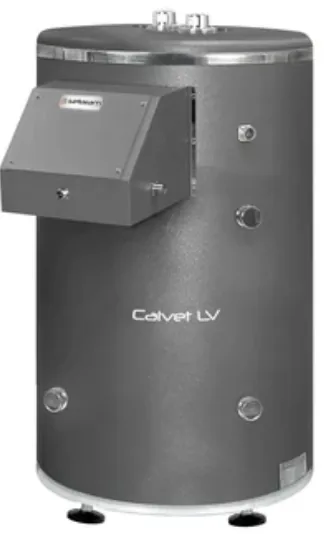
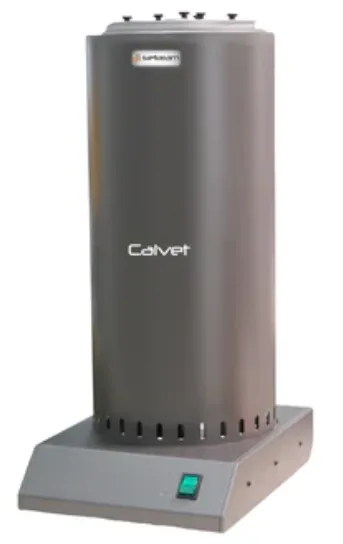
Isothermal 3D-sensor calorimeter for very large samples — ideal for batteries, building materials and metabolism studies.
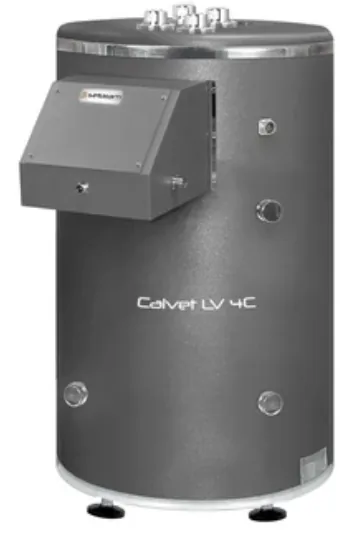
Four large cells, two simultaneous measurements — double the throughput of large-volume isothermal calorimetry.
Our application specialists can recommend the right technique, sensor and measurement parameters — and share additional application data for your industry.
More Applications
Get application guidance, commercial quotes and demos from our thermal specialists.