C-Therm Technologies
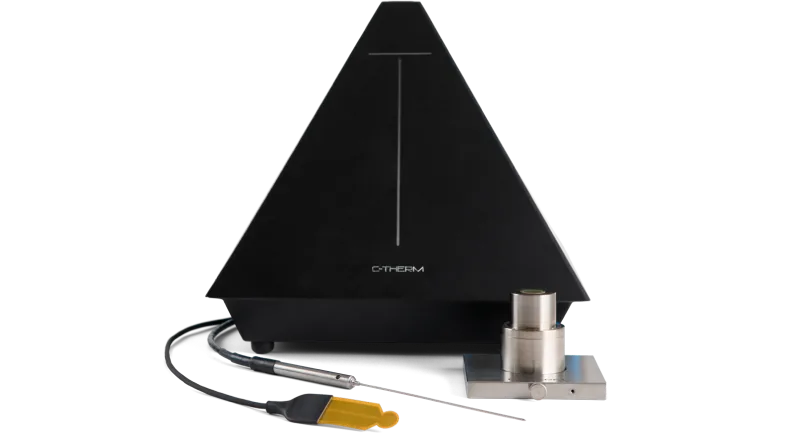
C-Therm Trident
The ultimate thermal conductivity toolbox — MTPS, TPS, TLS and THW transient sensors in one modular…
Thermal Conductivity Application
Safely measure the true thermal conductivity of energetic materials — small samples, real data for SADT models.

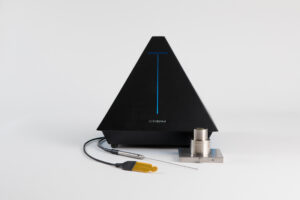
Testing the thermal conductivity of energetic materials is necessary for understanding the time to ignition through the self accelerating decomposition temperature (SADT). However, explosives pose a challenge with traditional steady-state techniques, as the required large volumes of material pose undesirable safety risks or the necessary sample geometries are impractical.
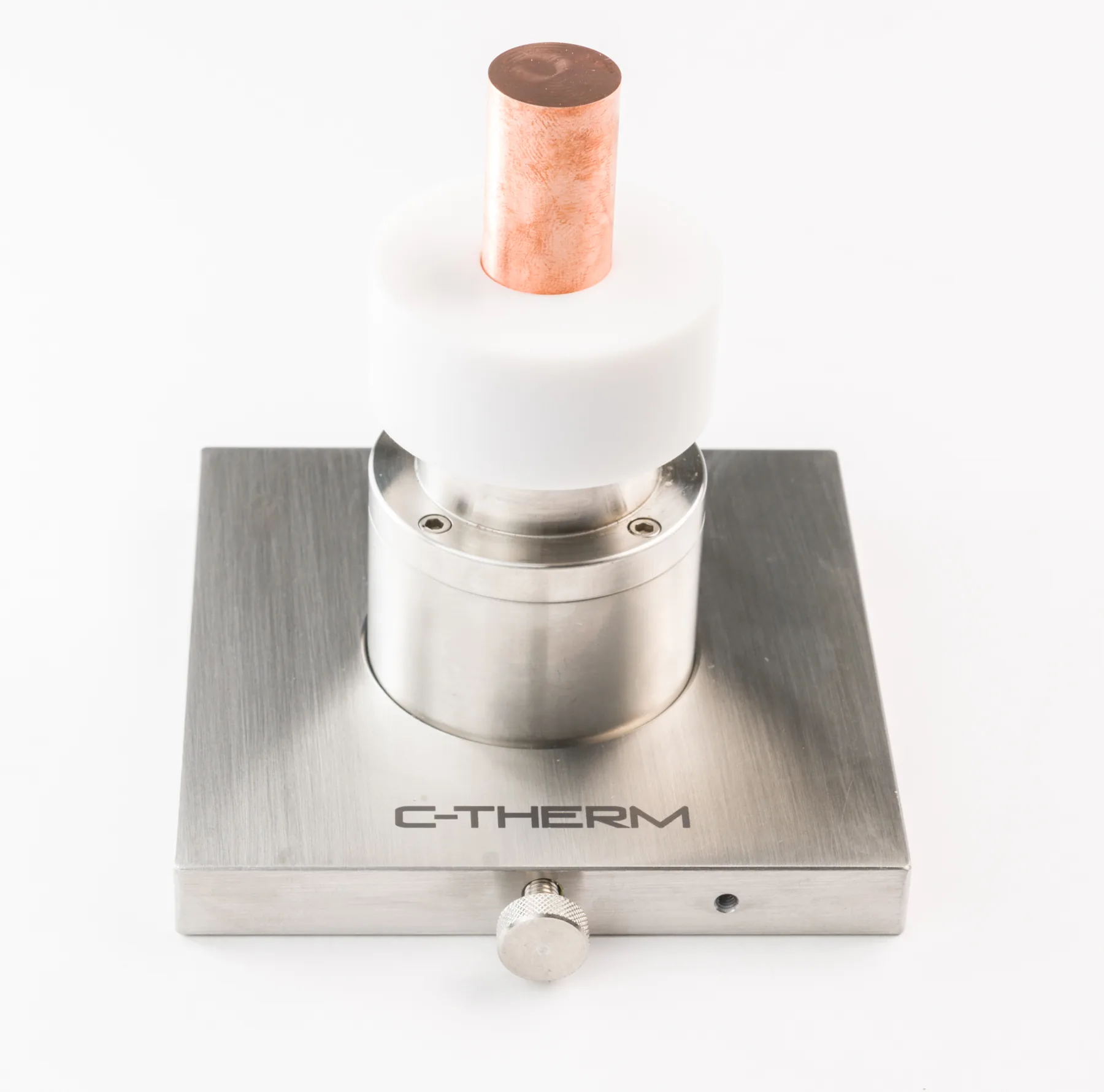
This often leads to estimation of thermal conductivity in predictive models rather than true measurement. C-Therm's Trident Thermal Conductivity Instrument can be configured with multiple sensors, including the Modified Transient Plane Source (MTPS) sensor. This sensor was designed to be able to test explosives safely and quickly. The MTPS employs a small, rapid heat pulse, and only requires volumes of 1.5 mL, ensuring a safe testing atmosphere compared to other methods.

Propellants are a necessity for the aerospace industry, needing greater performance for longer distances and heavier loads. Understanding the thermal conductivity of these materials allows for greater performance insight.
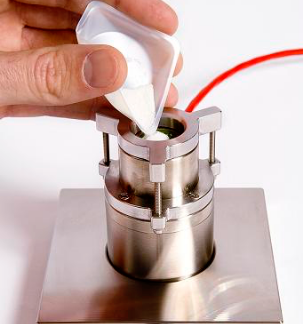
The MTPS sensor is equipped with the powder cell, ideal for testing the thermal conductivity of energetic powders, emulsions, or liquids.
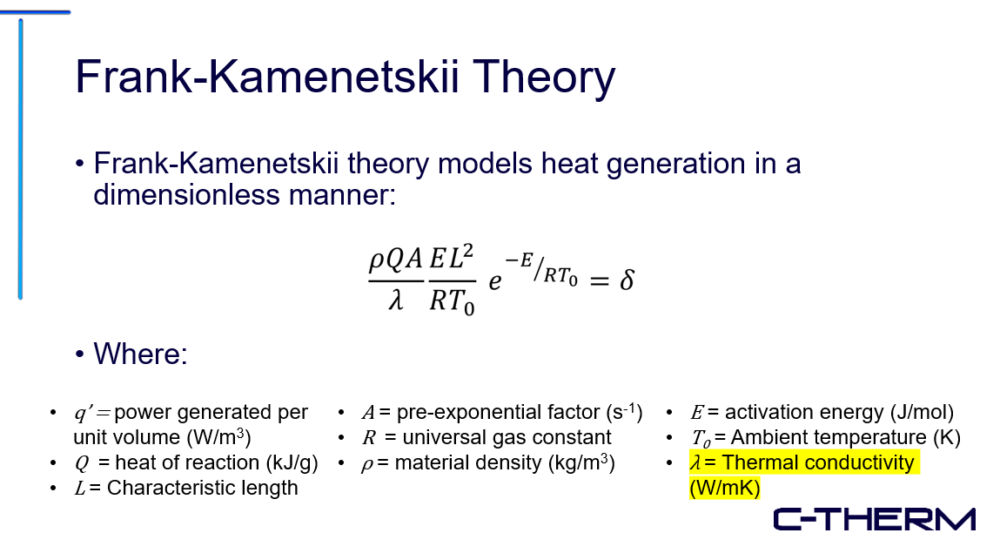
The Kamenetskii Theory is a model commonly used in the explosives industry as a way to predict heat generation within explosive materials.
Thermal conductivity is a key physical property in this theory.
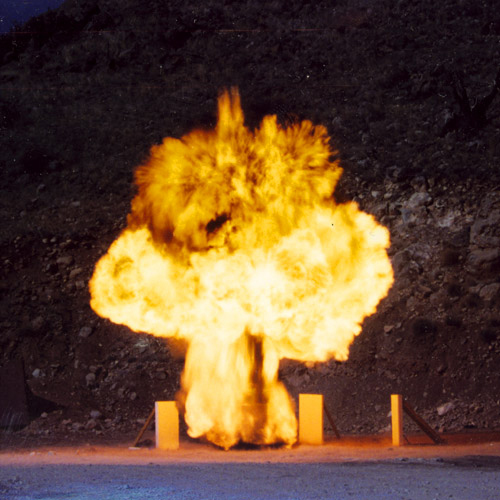
Understanding the thermal conductivity of an explosive material can help predict the conditions that will cause ignition, which helps prevent premature explosions
Recommended Instruments
The ultimate thermal conductivity toolbox — MTPS, TPS, TLS and THW transient sensors in one modular…
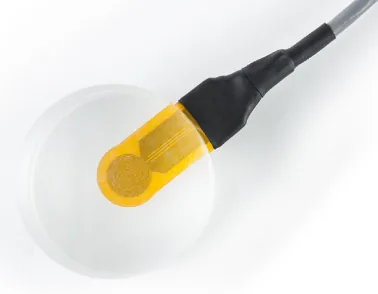
An economical, do-it-yourself Transient Plane Source (TPS) solution for academic researchers — build and customize your…
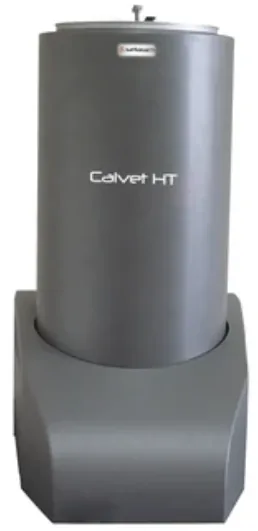
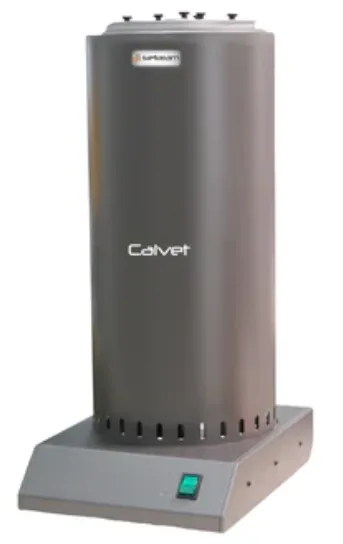
3D-sensor calorimetry up to 600 °C and 400 bar — purpose-built for process safety studies and…
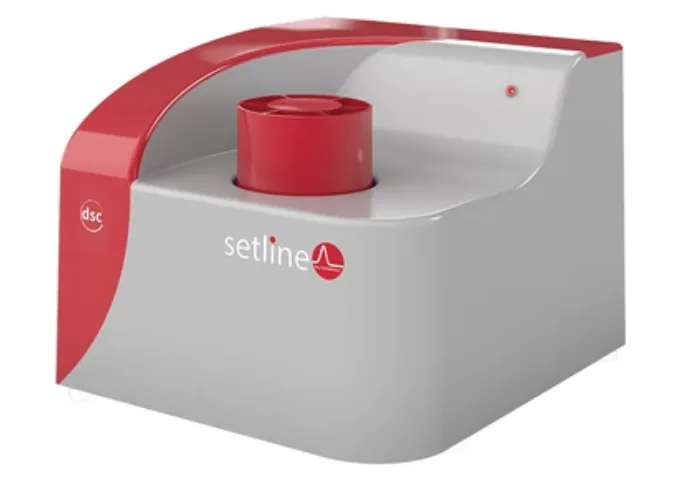
Compact, robust DSC from −170 to 700 °C for quality control, training and industry — with…
Our application specialists can recommend the right technique, sensor and measurement parameters — and share additional application data for your industry.
More Applications
Get application guidance, commercial quotes and demos from our thermal specialists.